|
|
| | Auditions | Teachers | WED 2010 | Scholarships 2009/10 |
|
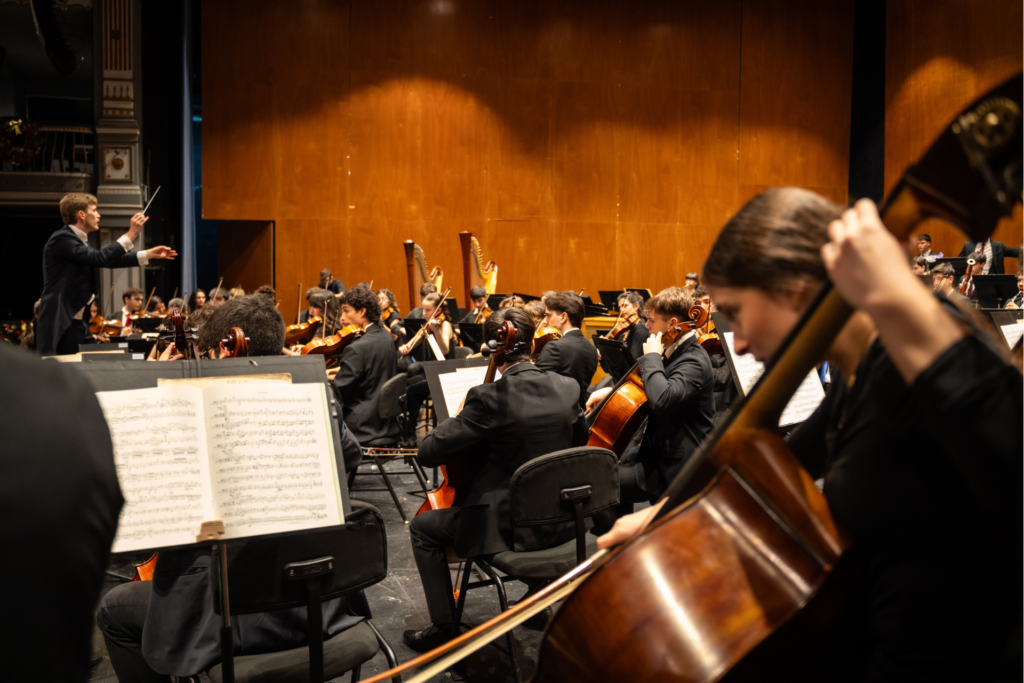
West-Eastern Divan Orchestra The use of the words “West-Eastern Divan” in the title of the Workshop refers to a collection of poems by the German poet Johann Wolfgang Goethe. And as its founders once said, “The reason we named the orchestra this way stems from the fact that Goethe was one of the first Germans to be truly interested in other countries—he started learning Arabic when he was over
The idea of the West-Eastern Divan was conceived in 1999 in the minds of two artists and intellectuals—the Israeli, Daniel Barenboim, and the Palestinian, Edward Said. They decided to create a workshop for young musicians from Israel and various countries of the Middle East, with the aim of combining musical study and development with the sharing of knowledge and comprehension between people from cultures that traditionally have been rivals. In this workshop, young musicians build upon their musical knowledge while living side-by-side with people from countries that may be engaged in conflict with their own. Its first sessions took place in Weimar and in Chicago, until in 2002 the workshop was finally established in Seville thanks to the institutional and financial support of the Junta de Andalucía.
The West-Eastern Divan is not only a musical project, but also a forum for dialogue and reflection on the Palestinian-Israeli problem. Through the cross-cultural contacts made by the artists, the project could have an important role in overcoming political and cultural differences between the countries represented in the workshop. In this model, an orchestra serves as a good example of democracy and civilized living.
The project is led by Barenboim and since Edward Said’s decease by his widow, Mariam Said, and its financed by the Junta de Andalucía and other private sponsors like the Federación de Cajas de Ahorro de Andalucía (FACA, Andalusian Federation of Savings Banks) and Adif (Spanish Railway Company), among others. It is admired throughout the world due to the fact that it combines a love for music with the necessity for a better understanding among Mediterranean cultures. Throughout its seven years of existence, this project has consistently proved that music is a useful way to break down barriers that were, up until now, considered insurmountable. It suggests that bridges can be built that encourage people to get closer, showing that it is possible for people from different backgrounds to co-exist peacefully—much in the same way that these young musicians will share scores, dining halls, and, above all, a passion for music.
While music will obviously not solve the Arab-Israeli conflict, it does play a role in bringing people together and allowing them to get to know one another. The only political aspect that permeates the Workshop is the understanding that there is no military solution to the conflict. An equal number of Israeli and Arab musicians provide the base of the orchestra, joined by andalucian players. An added group of students from Spain and Palestine attend the workshop as observers.
Every year, the Junta de Andalucía grants scholarships to particularly talented musicians to study in Europe or the USA. These scholarships allow some specially talented students with limited financial resources to access an excellent musical education. Some of the recipients of these scholarships now hold positions with the Israel Philharmonic Orchestra, the Damascus Symphony Orchestra and the Cairo Opera among others.
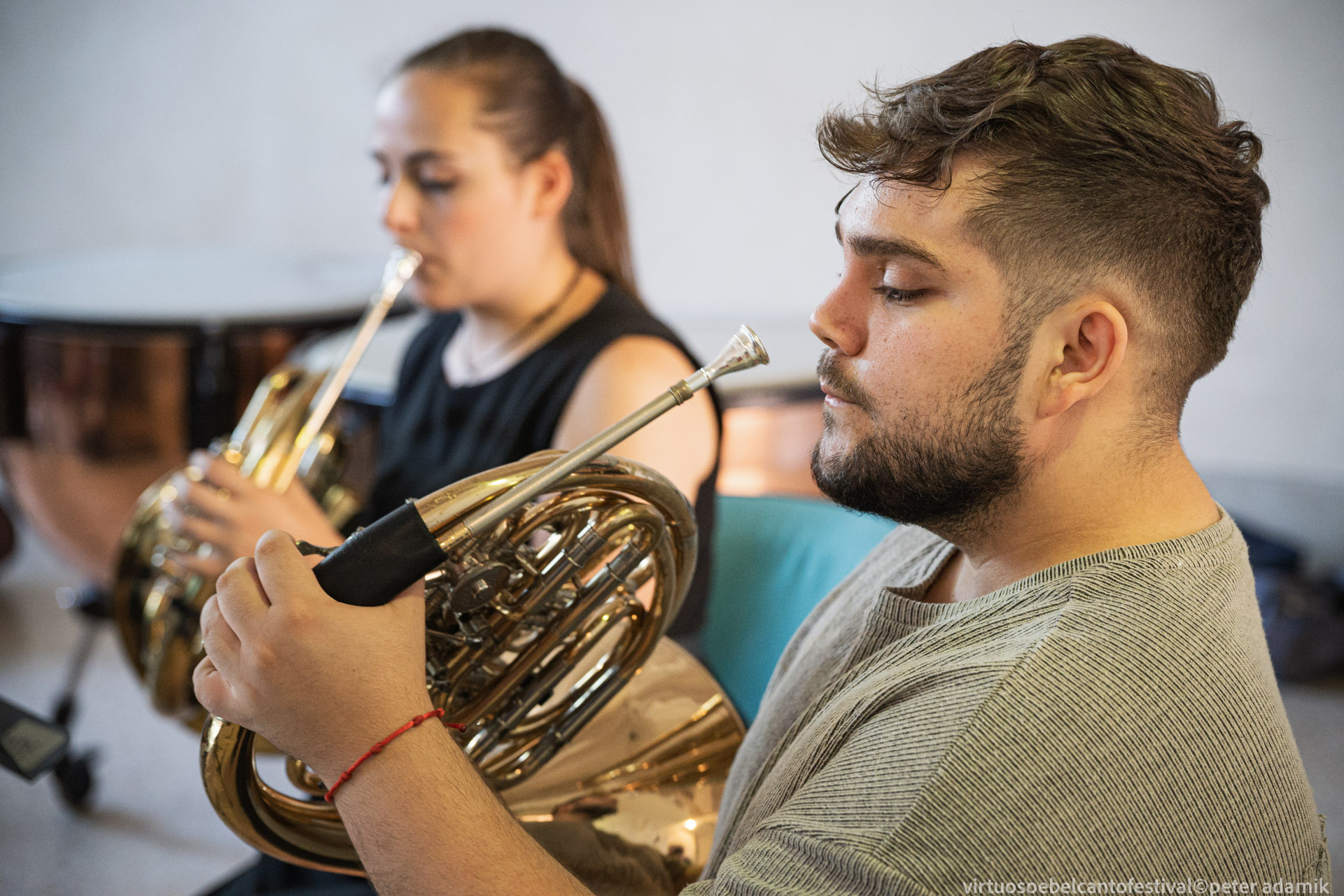
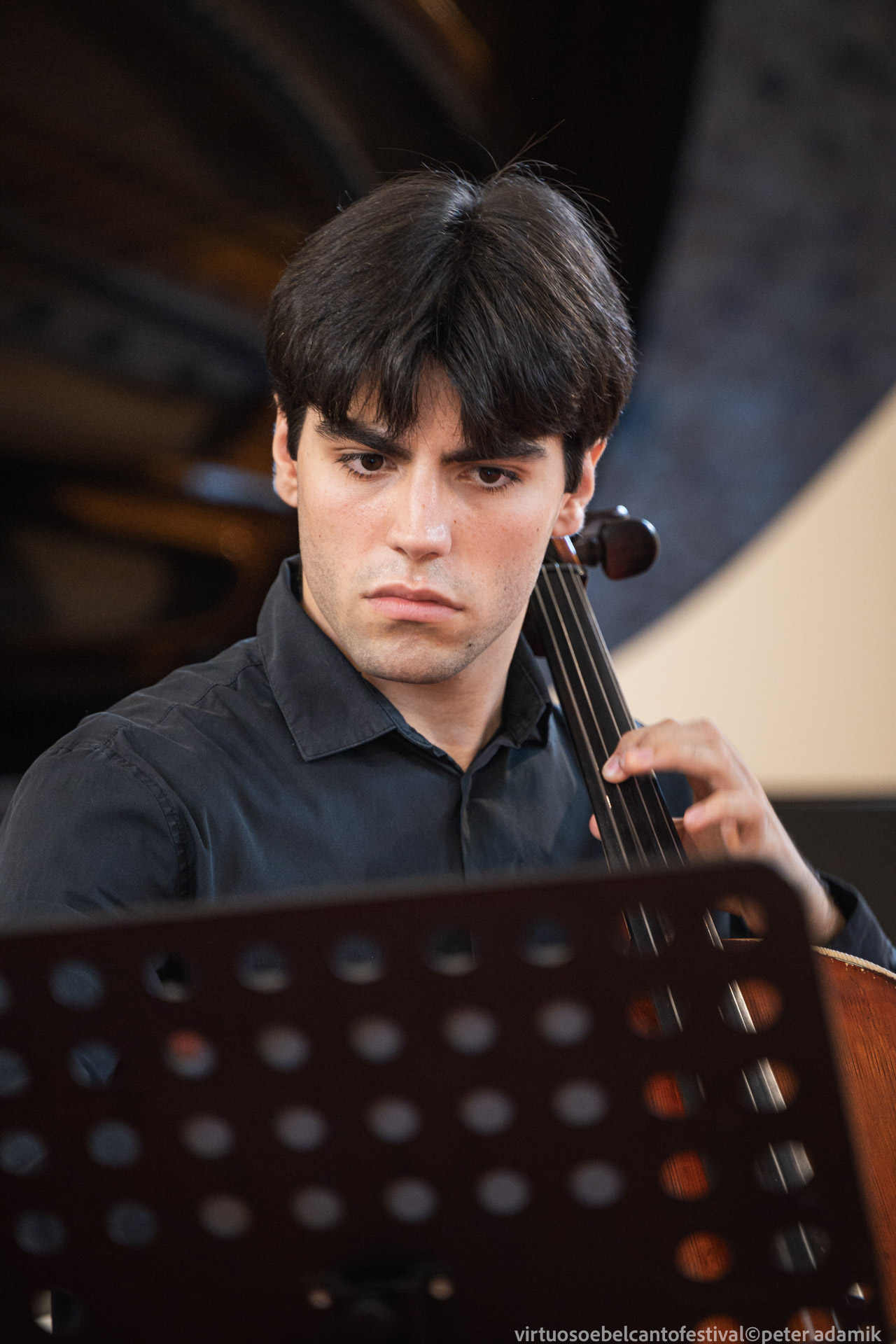
The West-Eastern Divan Workshop takes place during several weeks each summer in Andalusia. With an intensive work plan— each session lasting an entire day and combining different activities — the young artists develop their musical abilities within a peaceful and fitting environment. They also discuss different topics and offer different points of view on the Arab-Israeli conflict. Once the working period is over the concert tour of the West-Eastern Divan Orchestra starts.
Since its creation in 1999, the West-Eastern Divan Orchestra has performed in several countries in Europe (Spain, Germany, United Kingdom, France, Switzerland, Turkey, Belgium and Italy) and America (USA, Argentina, Uruguay and Brazil). In August 2003, the orchestra played for the first time in an Arab country with a concert in Rabat, Morocco, and in 2005, it performed in the Middle East for the very first time with a concert in Ramallah, Palestine, which was broadcasted live by ARTE, the French-German channel.
|